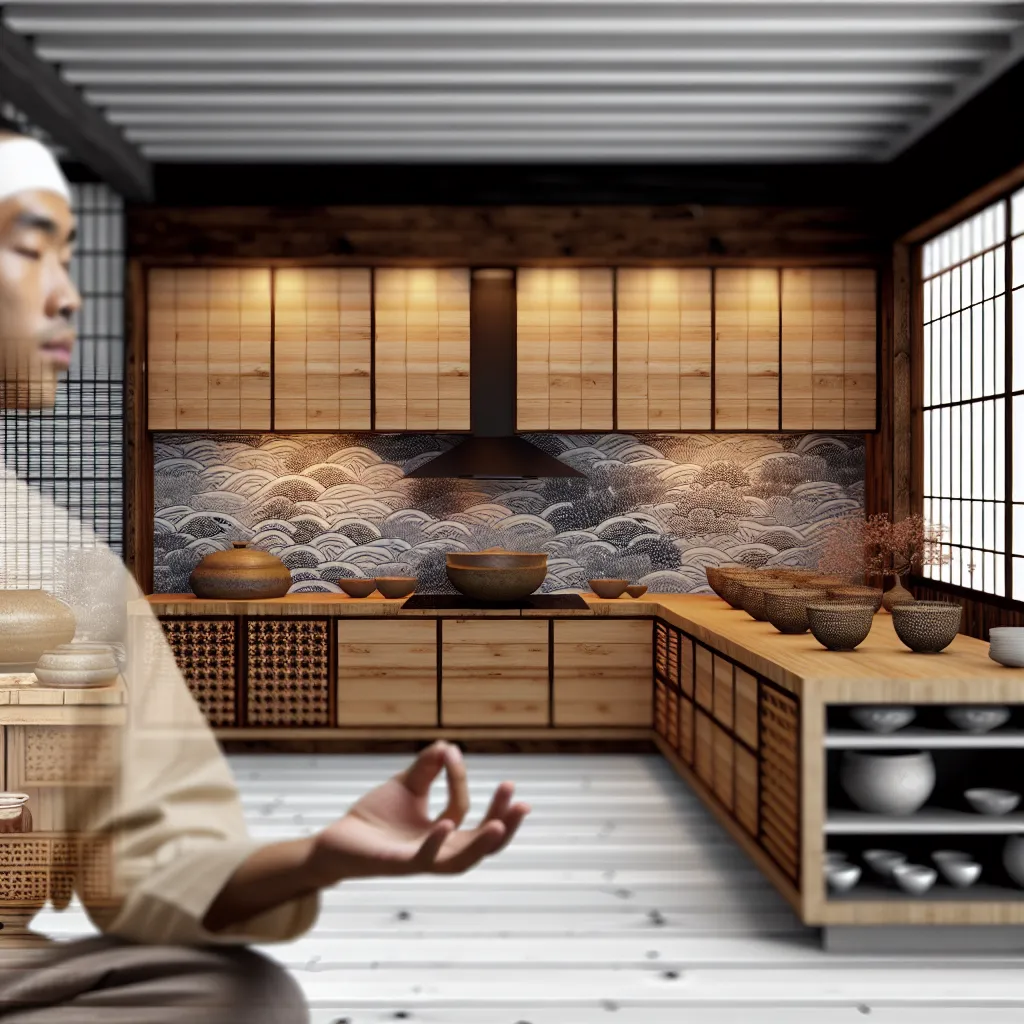
Wabi-Sabi
Finding Beauty in Imperfection
Traditional Japanese aesthetics embrace the imperfect, impermanent, and incomplete. In kitchen organization, this means accepting that perfection isn't the goal—sustainable peace is.
Your kitchen doesn't need to look like a magazine spread. It needs to serve your life, your cooking habits, your family's rhythms. We teach you to create systems that honor your reality while bringing visual calm.
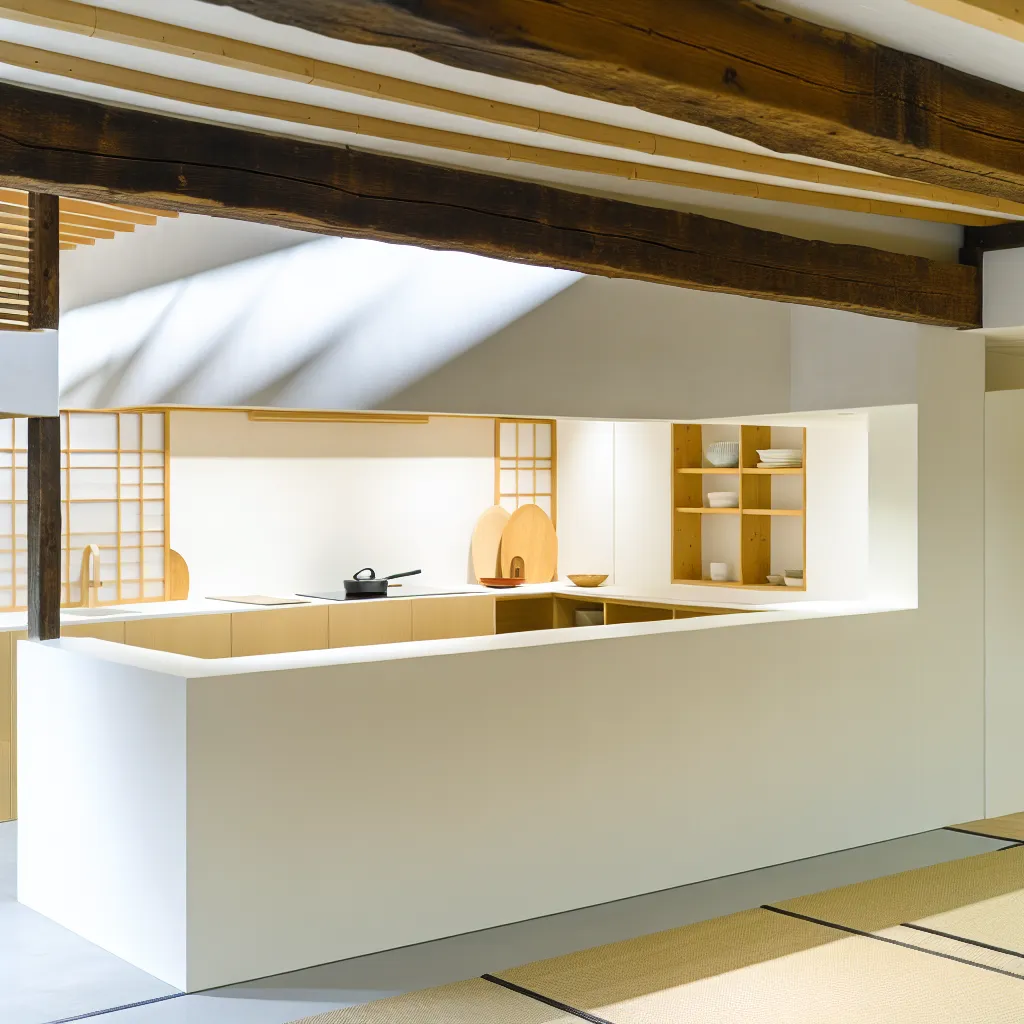
Ma
The Power of Negative Space
In Japanese design, 'ma' refers to the space between objects—the emptiness that gives meaning to what surrounds it. Western organization often focuses on maximizing storage. We focus on creating breathing room.
Empty shelf space isn't wasted space. It's visual rest for your eyes and mental space for your mind. When you open a cabinet and see calm emptiness rather than packed clutter, you feel immediate peace.
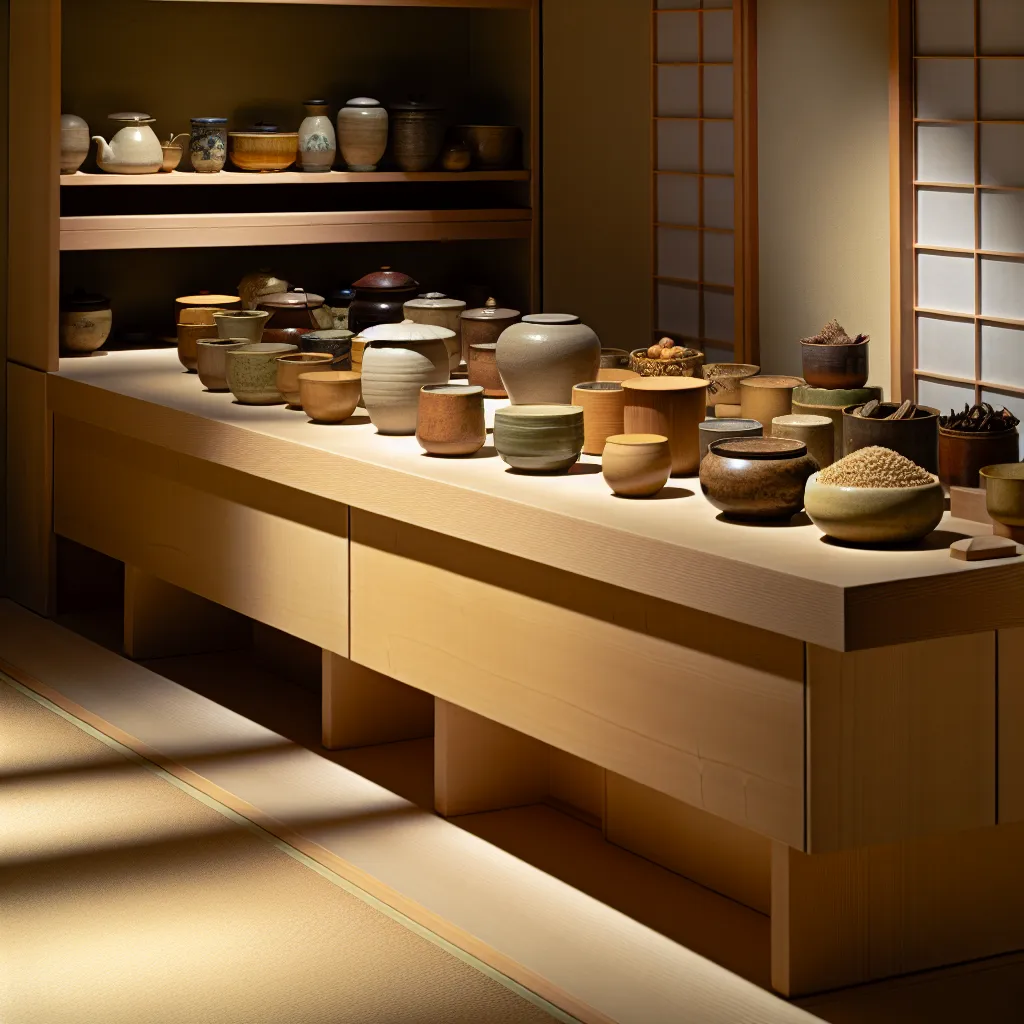
Shun
Honoring Seasonal Cycles
Traditional Japanese culture moves with the seasons, and kitchen organization should too. What makes sense in winter (heavy stoneware, warming spices forward) differs from summer needs (light ceramics, cooling ingredients accessible).
Our seasonal approach isn't about constant reorganization. It's about gentle quarterly shifts that keep your kitchen aligned with natural rhythms and current cooking patterns.
"A kitchen organized with traditional principles becomes more than functional space—it becomes a teacher of presence, patience, and the profound beauty of simplicity."— Yuki Tanaka, Founder
Seven Guiding Principles
1. Less is More
Every item in your kitchen should earn its place. Quality tools used regularly beat quantity stored "just in case." We help you identify true essentials.
2. Natural Over Synthetic
Wood, ceramic, stone, bamboo—natural materials age gracefully and feel better to use. They also promote mindful consumption and sustainable living.
3. Function Follows Form
Beautiful organization works better. When systems are visually pleasing, you naturally maintain them. Aesthetics aren't superficial—they're functional.
4. Everything Has a Home
Clutter is simply delayed decisions. When every item has a designated, logical place, putting things away becomes effortless rather than exhausting.
5. Visible and Accessible
Out of sight becomes out of mind. Good organization makes everything visible at a glance and accessible without moving three other things first.
6. Gentle Maintenance
Sustainable systems require gentle daily care, not periodic marathon sessions. Fifteen minutes daily beats three hours monthly—for both effort and results.
7. Respect for Ingredients
Proper storage honors the ingredients that nourish you. This practical respect reduces waste, maintains freshness, and deepens your connection to cooking.
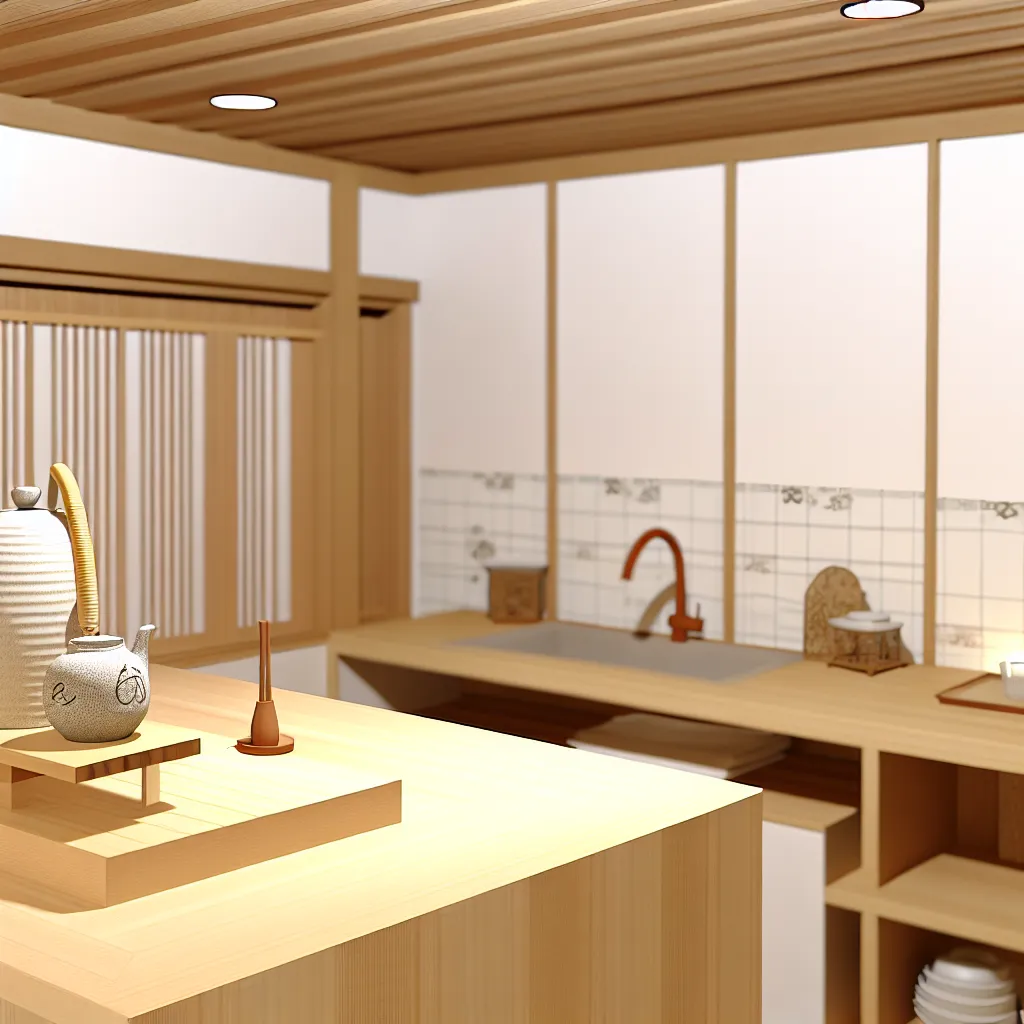
From Tea Ceremony to Kitchen
Bringing Ritual to Daily Life
The Japanese tea ceremony teaches that every movement can be meditation, every tool deserves respect, and beauty elevates simple acts. These same principles transform daily cooking.
When your kitchen is organized thoughtfully, making morning coffee becomes a small ceremony. Preparing dinner transforms from rushed chore to mindful practice. The space itself teaches presence.